

The Insurance Adjuster Never Met You. Your Medical Records Speak Instead.
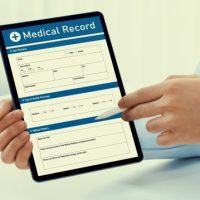
You know exactly how much pain you have been in since the accident. An adjuster reviewing your file from a desk somewhere does not, and has no reason to simply take your word for it. In a personal injury case, your medical records carry that conversation for you, which means the quality of that paperwork can quietly shape what your claim is ultimately worth.
Why Documentation Carries So Much Weight
Nearly every part of a personal injury case, from proving your injuries happened to calculating fair compensation, traces back to your records. They establish a timeline connecting the injury to the accident, describe the treatment you received, and give a court or adjuster the objective basis needed to evaluate your claim. Without that paper trail, a genuinely serious injury can still be dismissed as unsupported, no matter how much pain you are actually living with.
What Adjusters Are Actually Scanning For
Insurance adjusters read medical records looking for specific red flags. Understanding what draws their attention helps explain why consistent treatment matters so much:
- Gaps in treatment, which can be used to argue an injury was not serious enough to require ongoing care
- Inconsistencies between what you told different providers about how the injury happened or how you have been feeling
- Whether your reported symptoms line up with objective findings from imaging, exams, or diagnostic testing
- Pre-existing conditions that could be used to argue current symptoms are unrelated to the accident
- The overall thoroughness and specificity of a provider’s notes
A single skipped appointment or a vague note from a provider can become exactly the detail an adjuster leans on to minimize a claim, even when the injury itself is entirely genuine.
The Cost of Waiting or Skipping Care
Seeking treatment promptly and following through with a provider’s recommended care does more than support your recovery. It builds a documented record showing your injury was taken seriously from the beginning, guided by medical judgment rather than by what might look good for a future claim. Delaying initial treatment or missing follow up appointments creates precisely the kind of gap an insurer can point to when arguing your injury was not caused by the accident, or was not as significant as you claim.
Why This Is Not a Do It Yourself Project
Requesting, organizing, and presenting medical records in a way that tells a clear and compelling story is not something most people have any real experience doing, especially while they are still recovering. An incomplete record, a request sent to the wrong provider, or documentation presented without proper context can all weaken a claim that would otherwise hold up well on its own merits.
If you were injured in an accident, our Modesto personal injury attorneys at The Law Firm of R. Sam know how to gather and present medical evidence effectively so your records work for you rather than against you. Reach out to our team for a consultation.
Source:
cdc.gov/nchs/fastats/injuries.htm