

Flipped Out: Rollover Accidents in the Central Valley, Their Common Causes, and Who May Be Responsible
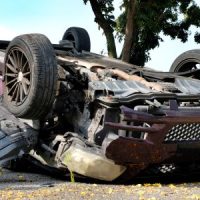
Rollover crashes do not happen often, but the results can be devastating. The National Highway Traffic Safety Administration has long reported that rollovers make up a small share of crashes yet account for roughly a third of passenger vehicle occupant deaths. In the Central Valley, where rural highways, farm roads, fog, and heavy trucks share the road, who may be responsible when a vehicle ends up on its roof? It depends on why it rolled.
Why Vehicles Roll Over
A rollover is usually the result of a vehicle being pushed past its stability limits. Common causes include speeding or taking a curve too fast, overcorrecting after drifting onto a soft shoulder, tripped rollovers when a tire hits a curb, soft dirt, or a guardrail, collisions that send a vehicle spinning, tire blowouts or defective tires, impaired, drowsy, or distracted driving, top-heavy vehicles such as SUVs, pickups, and loaded vans, poor road conditions, and weather like tule fog and rain.
Many fatal rollovers are single-vehicle crashes, which can lead insurers to blame the driver. But a single-vehicle crash is not always a one-person story.
Who May Be Responsible
Depending on the cause, several parties may share responsibility for a rollover:
- Another driver who swerved, cut off, sideswiped, or forced a vehicle off the road
- A vehicle or parts manufacturer, if a design or manufacturing defect, such as weak roof strength, unstable handling, or faulty steering, contributed
- A tire maker or seller, if a defective or improperly installed tire failed
- A repair shop, if poor maintenance on brakes, suspension, or tires played a role
- A driver’s employer, if a worker was operating a company vehicle or driving as part of the job
- A government entity, if a dangerous road condition, such as an unmarked drop-off or defective design, contributed
Each possibility brings different evidence, insurance, and deadlines. Product defect cases can require engineering analysis of the vehicle itself, so preserving the vehicle and its data matters.
Deadlines, Rules, and Evidence
Most California personal injury lawsuits must be filed within two years under Code of Civil Procedure § 335.1. Claims against a public entity are different: under Government Code § 911.2, a personal injury claim generally must be presented within six months. A driver’s own share of responsibility, such as speeding, can reduce compensation under California’s comparative fault rules. Helpful evidence includes the crash report, photographs of the scene and tire marks, the vehicle and its event data recorder, tires, maintenance records, and witness names, and because wrecked vehicles are often towed and crushed, early steps to preserve them can matter.
Hurt in a Rollover? Start With a Conversation About What Happened
A rollover often leaves serious injuries and unanswered questions about why it happened. Our Modesto rollover accident attorneys at The Law Firm of R. Sam serve injured people in Modesto, California and Stockton, California, and can explain how these rules may apply to your crash. Start with a conversation with The Law Firm of R. Sam, and we will help you sort out what comes next.
Source:
https://leginfo.legislature.ca.gov/faces/codes_displaySection.xhtml?lawCode=CCP§ionNum=335.1